How to Choose the Right Retinol Strength
Share
Skin that feels dry, flaky, and suddenly reactive after a new vitamin A product is not “purging harder” or proving that the product works. More often, it is a sign that the retinol strength, frequency, or surrounding routine is ahead of what the skin barrier can comfortably manage. The goal is not to tolerate the highest number on a label. It is to build consistent vitamin A use that helps skin look clearer, smoother, firmer, and more even over time.
For skin that never grew out of acne, sun damage that has become more visible, or the fine lines and laxity that arrive with hormonal shifts, vitamin A can be a meaningful part of a professional skincare routine. But the best results come from a measured approach, not a race to stronger products.
Retinol Strength Is More Than a Percentage
Retinol is a form of vitamin A used in skincare. Once applied, the skin converts retinol through several steps into retinoic acid, the form that communicates directly with skin cells. That conversion is one reason retinol is generally gentler than prescription retinoids, but it also means a percentage alone cannot tell you exactly how a formula will perform.
Two products labeled with the same retinol percentage can feel very different on the skin. Encapsulation, the stability of the formula, the product base, the use of supporting ingredients, and how often it is applied all affect the experience. A 0.3% retinol serum in a drying base may be more irritating for one person than a thoughtfully formulated vitamin A product at a higher stated percentage.
This is also why comparing a traditional retinol percentage to another vitamin A form is not straightforward. Retinyl esters, retinaldehyde, retinol, and prescription retinoids are related, but they are not interchangeable by number. Looking only for the strongest percentage can lead to overuse, barrier disruption, and the frustrating cycle of stopping and restarting.
What “stronger” should mean for your skin
A stronger vitamin A routine should mean your skin has earned the next step. It should not mean persistent burning, rawness, cracks around the nose, or peeling that makes makeup and sunscreen impossible to wear.
Healthy progression looks quieter. Your skin may feel slightly dry as it adjusts, particularly during the first few weeks, but it should settle with appropriate frequency and barrier support. You should be able to cleanse gently, moisturize comfortably, and wear broad-spectrum sunscreen every day without stinging. That consistency is what allows vitamin A to support visible improvement in texture, congestion, uneven tone, and signs of aging.
Choose Retinol Strength by Skin Readiness
Your starting point depends on your skin history, not your ambitions. Someone who has never used vitamin A, has rosacea-prone skin, or is recovering from over-exfoliation needs a gentler entry point than someone who has used retinol consistently for months without irritation.
If your skin is tight, thirsty, or frequently red, begin by repairing the basics first. A mild cleanser, supportive moisturizer, and daily sunscreen are not optional background products. They are what make a vitamin A routine more sustainable. Starting a retinol product on an already compromised barrier often creates sensitivity that gets mistaken for an allergy or a bad product.
For a true beginner, a low, professionally guided vitamin A step used two or three nights per week is often more sensible than nightly use. Keep the rest of the evening routine simple. Cleanse, apply the treatment as directed, and follow with moisturizer if needed. Once your skin remains calm for several weeks, frequency can increase before strength does.
Experienced retinol users have a different question: is their current routine delivering enough benefit without causing irritation? If their skin is comfortable with regular use and they want more support for established sun damage, loss of firmness, or uneven pigmentation, a step-up approach may make sense. This is where a structured system can be more useful than switching randomly between high-percentage serums.
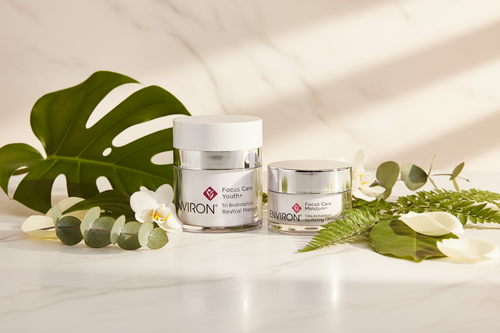
Environ’s vitamin A approach is designed around gradual progression, allowing the skin to acclimate as users move through levels instead of forcing a dramatic jump. For many clients, that guided path feels less confusing than chasing a single “best” retinol strength.
Your Concern Changes the Plan
Vitamin A is not used in a vacuum. Acne, melasma, redness, dehydration, and aging skin can all benefit from a carefully chosen routine, yet each concern changes how quickly you should progress.
Acne and congestion
For clogged pores and persistent breakouts, vitamin A can support more normalized cell turnover and help refine the look of congestion. But acne-prone does not automatically mean resilient. Many people with active acne have also stripped their skin with harsh cleansers, scrubs, spot treatments, or frequent acids. In that case, a stronger retinol strength can make inflammation and post-breakout marks look worse before the barrier is stabilized.
Introduce one active change at a time. If you are starting vitamin A, do not add a strong peel, scrub, benzoyl peroxide treatment, and new exfoliating toner in the same week. Your skin cannot give you clear feedback when everything changes at once.
Pigmentation and sun damage
Uneven tone, post-inflammatory marks, and sun damage often require patience. Vitamin A can support a more even-looking complexion, but daily broad-spectrum sunscreen is the nonnegotiable partner. Without it, ongoing UV exposure can continue to drive discoloration while you are trying to improve it.
For melasma-prone skin, irritation itself can be a trigger for more visible pigment. That makes a slow, barrier-aware plan especially valuable. A licensed esthetician can help identify whether your skin needs a lower starting point, reduced frequency, or complementary ingredients that support the routine without adding unnecessary inflammation.
Aging, dryness, and laxity
Mature skin can benefit from vitamin A, especially when texture, fine lines, and firmness are concerns. Yet menopause-associated dryness and a weaker barrier may mean the skin needs more comfort than it did years ago. The answer is not necessarily avoiding vitamin A. It may be using a measured strength alongside hydrating products, supportive lipids, peptides, and a moisturizer that leaves skin comfortable by morning.
How to Introduce a Retinol Product Without Derailing Your Barrier
Use your product as directed, but give your skin time to respond. Start on dry skin after cleansing. Damp skin can increase penetration and may make a new active feel more intense. Apply a small, even amount, avoiding eyelids, the corners of the nose, and lips unless your product and esthetician specifically advise otherwise.
For the first two to four weeks, use it two nights weekly if you are new to vitamin A or prone to sensitivity. If your skin remains comfortable, move to every other night, then consider more frequent use. Do not increase frequency and strength in the same window. Change one variable, observe your skin, and let consistency do the work.
On non-vitamin A nights, focus on replenishment. Avoid piling on extra exfoliation just because your skin feels textured during the adjustment period. If you experience persistent stinging, swelling, pronounced redness, or painful peeling, stop the product and seek professional guidance. Those are not signs to push through.
Signs You May Be Ready to Progress
You may be ready for the next level when you have used your current vitamin A product consistently for several weeks or longer, your skin is calm, and you are no longer relying on skipped nights to recover from dryness. You should also be using sunscreen reliably and have a basic cleansing and moisturizing routine that supports your skin.
Progress is not required on a calendar. Some people remain at a comfortable level for months and see excellent results. Others can advance sooner with no issue. Seasonal shifts matter too. A routine that feels easy in humid summer weather may need reduced frequency during a cold New England winter, after travel, or following a professional treatment.
When Retinol Is Not the Right Next Step
Retinoids are generally not recommended during pregnancy. If you are pregnant, trying to conceive, or breastfeeding, speak with your obstetric clinician before using vitamin A skincare. People using prescription acne medications, managing eczema or rosacea flares, or preparing for certain procedures should also ask their dermatologist or licensed esthetician how to adjust their routine.
The right retinol strength is the one your skin can use consistently enough to change. If you are unsure where to begin or whether it is time to step up, a complimentary consultation with a licensed esthetician can replace guesswork with a clear, barrier-respecting plan. Your skin’s best chapter does not begin with the harshest product. It begins with the right next step.