How to Introduce Retinoids Safely Without Irritation
Share
Retinoids can be a turning point for skin that never grew out of acne, stubborn sun damage, uneven pigment, or fine lines that seem to deepen overnight. But the fastest way to derail that progress is to start too strong, use too much, or layer vitamin A into an already irritated routine. Learning how to introduce retinoids safely is less about bravery and more about consistency, patience, and respecting what your skin is telling you.
At Celtic Spa Skincare, we take a structured approach to vitamin A because visible change should not require your skin barrier to suffer. A well-chosen retinoid routine can help support smoother texture, clearer-looking pores, firmer-looking skin, and more even tone over time. The key phrase is over time.
Start With Your Skin Barrier, Not the Retinoid
A retinoid asks your skin to adapt. If your barrier is already compromised from over-exfoliation, harsh acne products, cold-weather dryness, a recent peel, or simply using too many actives at once, that adjustment period can feel much harder than it needs to.
Before adding vitamin A, look at your baseline. Does your skin sting when you apply a basic moisturizer? Are you dealing with persistent tightness, flaky patches, redness, or sudden sensitivity? If so, spend a week or two simplifying your routine first. Use a gentle cleanser, a hydrating toner or serum if tolerated, a nourishing moisturizer, and sunscreen every morning. This is not delaying progress. It is preparing your skin to make better progress.
A healthy barrier is especially important for people managing rosacea, redness, eczema-prone skin, post-treatment sensitivity, or tight, thirsty, dehydrated skin during perimenopause and menopause. Retinoids may still be appropriate for some of these concerns, but the starting point and pace need to be more conservative.
Choose a Retinoid That Matches Your Readiness Level
“Retinoid” is an umbrella term, not a single product category. Retinol, retinaldehyde, prescription tretinoin, and other vitamin A derivatives differ in strength, formulation, and how quickly they act in the skin. The best choice is not automatically the strongest one. It is the one you can use consistently without creating chronic inflammation.
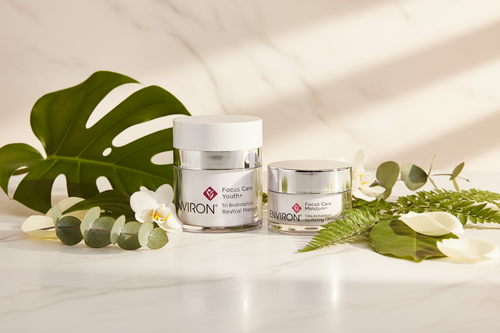
For a first-time user, a professionally guided step-up system can remove much of the guesswork. Environ’s vitamin A approach is designed around gradual progression rather than jumping immediately into a high-strength product. That measured path is particularly helpful when you want meaningful anti-aging or acne support but have a history of sensitivity, dehydration, or inconsistent product use.
Your readiness level also depends on what else is in your routine. Someone using no exfoliants and a rich moisturizer may tolerate a new retinoid differently than someone using benzoyl peroxide, salicylic acid, glycolic acid, or a strong vitamin C formula every day. Product strength matters, but total irritation load matters just as much.
How to Introduce Retinoids Safely: Begin Slowly
Start by applying your retinoid at night two nonconsecutive evenings per week. Use a pea-sized amount for your entire face - not a pea-sized amount for each area. Dot it lightly across the forehead, cheeks, and chin, then spread a thin, even layer. More product does not create faster results. It usually creates more peeling.
Avoid the corners of the nose, lips, and immediate eye area at first. These areas tend to become dry and irritated before the rest of the face. If they are vulnerable, apply moisturizer there before your retinoid as a protective buffer.
After two to three weeks, assess your skin. If you have only mild, short-lived dryness and no persistent burning or redness, move to every third night, then every other night. Some people eventually use vitamin A nightly. Others get their best skin using it three or four nights a week. There is no prize for reaching nightly use if your complexion is calmer and more resilient at a slower frequency.
For sensitive skin, try the moisturizer sandwich method: apply a light layer of moisturizer, use your retinoid, then follow with another layer of moisturizer. This can reduce the intensity of the experience while allowing you to build tolerance. It may slightly slow the immediate effect of the treatment, but steady adherence wins over an aggressive routine you have to abandon.
Keep the Rest of Your Routine Quiet
The first six to eight weeks are not the time to experiment with every trending acid, scrub, mask, and spot treatment. Think of your routine as a team. If every player tries to take the same shot, the result is chaos.
On retinoid nights, cleanse gently, apply your vitamin A treatment, and moisturize. If you are using a hydrating, barrier-supportive serum that has already been well tolerated, it may remain in your routine. Keep the focus on hydration and comfort.
At least initially, separate retinoids from leave-on exfoliating acids, facial scrubs, and strong acne treatments. You do not necessarily have to avoid these ingredients forever. People with persistent congestion or acne may ultimately benefit from a carefully scheduled combination plan. But introduce one active change at a time so you can tell what your skin can handle.
Morning sunscreen is nonnegotiable. Retinoids support long-term skin renewal, while daily UV exposure can work against the very concerns you are trying to improve, including pigmentation, laxity, fine lines, and uneven texture. Use a broad-spectrum sunscreen every day, including cloudy days and days spent near windows.
Know the Difference Between Adjustment and a Warning Sign
A little dryness, light flaking, or temporary sensitivity can occur while your skin adapts. It should be manageable and improve when you reduce frequency or increase moisture support. Constant discomfort is not a sign that the product is “working.”
Pause your retinoid and simplify your routine if you experience:
- Burning that continues after application
- Cracking, swelling, hives, or raw-looking skin
- Redness that becomes increasingly intense or widespread
- Peeling severe enough to make cleansing or moisturizing painful
Breakouts can also be confusing. A temporary increase in blemishes may happen as congestion comes to the surface, particularly in areas where you normally break out. However, an eruption in unusual areas, painful rash-like bumps, or escalating inflammation may signal irritation or a product mismatch rather than a normal adjustment. Do not push through blindly.
Special Situations Need a Different Plan
Retinoids are generally not recommended during pregnancy. If you are pregnant, trying to conceive, or breastfeeding, speak with your obstetric provider and dermatologist before using any vitamin A skincare product. Pregnancy-related pigmentation and hormonal acne are frustrating enough without adding uncertainty to your routine, and there are other barrier-conscious options to discuss with your provider.
After professional treatments, including chemical peels, microneedling, laser procedures, waxing, or certain facials, your retinoid schedule may need a temporary pause. Your provider should tell you when to stop before treatment and when your skin is ready to restart. Retinoid use can also make facial waxing more irritating, especially around the brows and upper lip.
If you use prescription tretinoin, follow your prescriber’s instructions rather than combining it with a separate over-the-counter retinoid. Doubling up does not improve the outcome and can quickly compromise your barrier.
Give Vitamin A Enough Time to Earn Your Trust
Retinoids are not a one-week fix. Texture and glow may improve first, while acne marks, fine lines, and visible pigment often need several months of consistent use and sun protection. Take a makeup-free photo in the same lighting once a month rather than judging your skin under a bathroom mirror every morning. This is where gradual improvement becomes easier to see.
The goal is not to make your skin “tough.” The goal is skin that is clear, comfortable, hydrated, and able to stay on a treatment plan long enough to show real change. If you are unsure where to begin, a complimentary consultation with a licensed esthetician can help match your current skin condition, concern, and tolerance level to a routine that makes sense.
Your skin’s best chapter does not start with irritation. It starts with a thoughtful first step, then the discipline to let that step work.