How to Reduce Clogged Pores Without Overdoing It
Share
A pore that keeps refilling is rarely asking for a harsher scrub. More often, it is dealing with a mix of oil, dead skin cells, sunscreen or makeup residue, and irritation from trying to fix the problem too aggressively. Learning how to reduce clogged pores means treating that buildup consistently while keeping the skin barrier calm enough to function well.
Clogged pores can show up as blackheads, whiteheads, tiny flesh-colored bumps, or skin that feels rough no matter how much you cleanse. They are frustrating at every age, from teenage breakouts to adult hormonal acne and the congestion that can come with richer products, sweat, or inconsistent routines. The goal is not poreless skin. Pores are normal. The goal is clearer, smoother-looking skin with fewer recurring blockages.
Why pores become clogged in the first place
Pores are openings for hair follicles and oil glands. When oil combines with excess dead skin cells, a plug can form inside the follicle. If that plug stays covered by skin, it appears as a whitehead or closed comedone. When it reaches the surface and oxidizes, it becomes a blackhead. The dark color is not dirt, so scrubbing harder will not remove it.
Some people naturally produce more oil, particularly during puberty, around menstrual cycles, during periods of stress, or in hot and humid weather. Genetics play a role, too. But congestion is not reserved for oily skin. Tight, thirsty, dehydrated skin can also clog when it is over-cleansed, inflamed, or coated in products that do not suit it.
The frustrating part is that the solution is rarely one product used once. Pore congestion responds best to a disciplined routine that supports normal cell turnover, cleanses thoroughly without stripping, and gives active ingredients enough time to work.
Start with cleansing that removes buildup, not your barrier
Cleansing is where many well-meaning routines go wrong. A squeaky-clean feeling can signal that you have removed too much protective surface oil. In response, skin may feel tight, become more reactive, or produce more oil later. That cycle can make congestion and breakouts feel even harder to control.
Cleanse morning and night with a gentle, thorough cleanser suited to your skin type. At night, take extra care to remove makeup, water-resistant sunscreen, and the day’s buildup. If you wear heavy makeup or long-wear sunscreen, a first cleanse to dissolve surface residue followed by a gentle second cleanse can be helpful. There is no prize for washing your face three or four times a day. For most people, that is simply too much.
Use lukewarm water and clean hands rather than a rough washcloth or abrasive cleansing brush. If your face is visibly irritated, stinging, flaky, or unusually red, simplify your routine before adding more exfoliation. Clearer pores begin with skin that can tolerate treatment.
Use exfoliation strategically, not constantly
The right exfoliating ingredient can help loosen the dead skin cells that contribute to clogged pores. The wrong frequency can leave you with redness, sensitivity, and more persistent bumps. This is where patience matters.
Salicylic acid, also called beta hydroxy acid or BHA, is oil-soluble and can be particularly useful for blackheads, whiteheads, and acne-prone skin. It works within the pore lining, making it a sensible option for congestion. Some people do well using it a few times a week; others can use a gentle formula more often. Start slowly, especially if you are also using vitamin A or prescription acne treatments.
Avoid stacking every active ingredient in one night. A routine that combines strong exfoliating acids, scrubs, peel pads, benzoyl peroxide, and a new retinoid may feel proactive, but it often creates an irritated barrier. Irritation can look like acne and may make existing breakouts take longer to settle.
Physical scrubs are not automatically off-limits, but they are easy to overuse. Rough grains, harsh brushes, and frequent manual exfoliation can create unnecessary friction. If your skin has inflamed acne, skip scrubbing altogether. It will not clear a deep blockage and can aggravate the area.
Make vitamin A part of the long-term plan
For recurring clogged pores, vitamin A is one of the most valuable long-term ingredients to discuss with a skincare professional. It supports normal skin cell turnover, helping prevent dead cells from building up and contributing to congestion. With continued use, it can also improve the look of uneven texture, post-breakout marks, and early signs of aging.
The trade-off is that vitamin A requires a measured approach. Starting too strong or applying it too often can cause dryness, flaking, and sensitivity. A step-up system allows your skin to acclimate gradually rather than forcing it through an aggressive adjustment period. This is especially useful if your skin never grew out of acne but is also becoming drier, more reactive, or more concerned with fine lines.
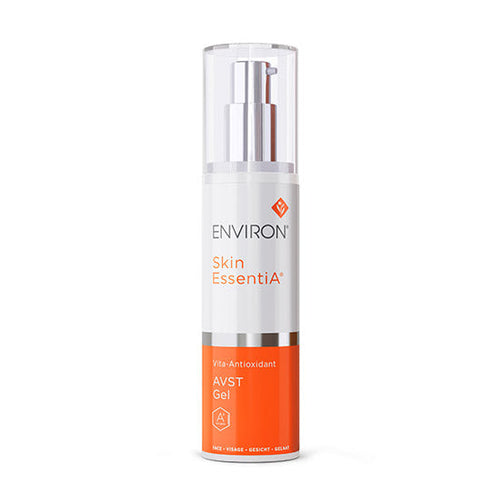
Professional-grade Environ routines are designed around progressive vitamin A use, with supportive moisturizers and targeted treatments that help you build consistency. The right starting point depends on your current routine, sensitivity level, acne history, and whether you are already using prescription products.
If you are pregnant, breastfeeding, trying to conceive, or under dermatologic care, ask your medical provider which ingredients are appropriate before beginning a vitamin A routine.
Moisturize even if your skin is oily
Skipping moisturizer is a common response to clogged pores, but oiliness and hydration are not the same thing. Skin can produce excess oil while lacking water, leaving it shiny but uncomfortable, tight, or flaky underneath. When that happens, harsh cleansing and drying treatments can push the skin further out of balance.
Choose a moisturizer that feels comfortable and does not leave a heavy, waxy film on your skin. The best texture depends on the season, your climate, and how much active treatment you are using. A light lotion may be enough for an oily complexion in summer, while a more nourishing cream may be necessary during winter or while adjusting to vitamin A.
Look at your entire routine rather than blaming one product automatically. Sometimes congestion is linked to layers of heavy makeup, hair products touching the forehead, unwashed makeup tools, or inconsistent cleansing after workouts. Sometimes it is hormonal and needs a broader acne plan. Skin is not always predictable, which is why a routine should be adjusted thoughtfully rather than replaced every week.
Wear sunscreen every day
Sunscreen does not cause clogged pores by default. In fact, daily broad-spectrum protection is essential when you use exfoliating acids or vitamin A, both of which can make skin more vulnerable to sun-related irritation. Sun exposure can also deepen post-breakout discoloration, making a breakout seem to last long after the active blemish is gone.
If your current sunscreen feels greasy, pills under makeup, or seems to trigger congestion, try a different formula and give it a fair trial. Apply enough to protect your face and neck, then cleanse it off properly at night. The answer is not to skip sunscreen while treating texture or acne marks.
How to reduce clogged pores without creating irritation
A balanced routine is often less dramatic than social media advice, but it is more likely to produce lasting change. Start with gentle cleansing, introduce one pore-clearing active at a time, moisturize consistently, and use sunscreen daily. Once your skin is stable, a vitamin A plan can help address the recurring pattern behind clogged pores rather than just chasing individual blackheads.
Give a new routine at least six to eight weeks of consistent use before deciding whether it is helping, unless you develop significant irritation, swelling, burning, or a widespread rash. Take photos in similar lighting every few weeks. Texture changes are gradual, and progress is easy to miss when you inspect your skin too closely every morning.
When professional guidance is worth it
If you have painful cysts, widespread acne, scarring, persistent redness, or bumps that do not respond to a sensible routine, it is time for professional input. Not every bump is a clogged pore. Conditions such as folliculitis, rosacea, eczema, and contact dermatitis can look similar but need different care.
A licensed esthetician can help you identify where your routine is becoming too aggressive, choose a safe vitamin A entry point, and build a complete regimen around your skin’s tolerance. Dermatologic care is especially important for severe or scarring acne, and skincare can work alongside that treatment plan.
Clearer-looking pores come from steady habits, not a punishing reset. Give your skin the structure, protection, and patience it needs, and let each small improvement become the foundation for your skin’s best chapter.