Menopause Skin Care Guide for Calmer, Stronger Skin
Share
Your skin may not have suddenly become difficult. It may be responding to a real biological shift: less estrogen can mean less oil, slower repair, reduced collagen support, and a barrier that feels far less forgiving than it did a few years ago. This menopause skin care guide is built for the woman looking in the mirror at tight, thirsty, dehydrated skin, new sensitivity, uneven tone, or a jawline that no longer feels as firm as it once did - and wanting a plan that is effective without being punishing.
Menopausal skin does not need a drawer full of trending products. It needs consistency, thoughtful active ingredients, and enough barrier support to let those ingredients do their work. The goal is not to chase every change. It is to support healthier-looking skin at every stage of the transition.
Why Menopause Changes the Way Skin Behaves
Estrogen plays a role in collagen production, hydration, wound healing, and the skin's natural protective function. As hormone levels fluctuate through perimenopause and decline after menopause, many women notice dryness first. Their usual moisturizer stops feeling like enough, makeup begins catching on rough patches, and skin can become reactive to products it once tolerated easily.
Collagen loss can also contribute to thinner-looking skin, fine lines, and laxity around the cheeks, jawline, neck, and chest. At the same time, years of accumulated sun exposure may become more visible as discoloration, brown spots, or uneven texture. Some women also experience hormonal breakouts, particularly along the chin and jaw. Yes, skin that never grew out of acne can still be part of this chapter.
These concerns often overlap. A routine aimed only at wrinkles may leave dry skin irritated. A harsh acne routine may weaken an already stressed barrier. That is why the best approach is corrective, but measured.
Start Your Menopause Skin Care Guide With the Barrier
A compromised barrier is not always obvious. It can look like redness, stinging when you apply products, flakes around the nose and mouth, sudden oiliness, or a moisturizer that seems to disappear within minutes. When skin is depleted, adding stronger exfoliants or switching products every week usually makes the situation worse.
Begin with a gentle cleanser that removes sunscreen, makeup, and daily buildup without leaving your face tight. That clean-but-squeaky feeling is not proof that a cleanser is working. It can be a signal that your skin has been stripped of the lipids and water-binding factors it needs to stay comfortable.
Follow cleansing with hydration and a moisturizer suited to your current skin, not the skin you had at 35. Look for formulas that help replenish moisture and support the surface barrier. If your face feels dry but also congested, avoid assuming you need to skip moisturizer. Dehydrated skin can produce excess oil as it tries to compensate, while dead skin cells and heavy products can contribute to clogged pores. The answer is usually better balance, not more aggressive cleansing.
Daily broad-spectrum sunscreen is equally nonnegotiable. Sun exposure accelerates visible collagen breakdown and makes pigmentation more stubborn. If you are investing in vitamin A, peptides, or professional treatments while skipping sunscreen, you are working against your own progress.
Give Your Routine Time to Settle
For very reactive, flaky, or newly sensitive skin, spend two to four weeks focused on cleansing, hydration, moisturizer, and sunscreen before escalating active ingredients. This is not lost time. Skin that is less inflamed and better supported is more likely to tolerate a corrective program well.
If your skin has persistent burning, a spreading rash, cracked areas, or a sudden change that does not improve, speak with a dermatologist or qualified medical provider. Rosacea, eczema, contact dermatitis, and other conditions can overlap with menopause-related sensitivity and need an accurate assessment.
Vitamin A Still Has a Place, With a Smarter Approach
Vitamin A is one of the most valuable ingredients in a menopause skincare routine because it supports the appearance of smoother texture, more even tone, and firmer-looking skin over time. But this is not the moment to treat irritation as a badge of honor.
The right formula, frequency, and progression depend on your skin's readiness. If you are new to retinoids, recently became sensitive, or have taken a break from active skincare, start slowly. Use your vitamin A product on alternating nights or as directed by your licensed esthetician, and pair it with a barrier-supportive moisturizer. Once your skin is comfortable, you can progress gradually.
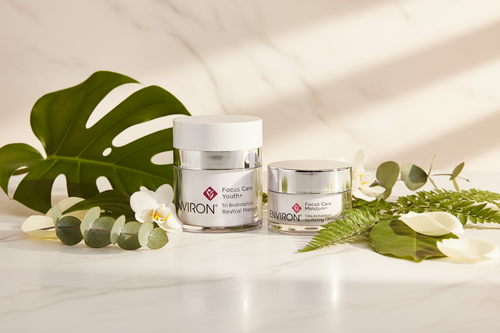
Professional-grade step-up systems are particularly useful here. Rather than jumping into a high-strength formula because it sounds impressive, you build tolerance in a controlled way. Environ's vitamin A approach is designed around progressive use, which can be a better fit for menopausal skin than cycling between harsh products and recovery periods.
There is a trade-off to respect: more intensity is not automatically more correction. Consistent use of a well-tolerated vitamin A product generally delivers more value than an overly strong product that leaves you peeling, red, and forced to stop.
Address Laxity, Lines, and Texture Without Over-Exfoliating
Menopause can make the loss of firmness feel especially personal. While no topical product replaces the lifting effect of a surgical procedure, a disciplined home routine can improve the look of texture, dehydration lines, and overall skin quality. Vitamin A remains foundational, while peptides and antioxidant support can complement a regimen focused on visible aging.
Exfoliation can help dullness, roughness, and uneven texture, but use it carefully. Mature, dry, or sensitive skin often does better with occasional, targeted exfoliation than daily acids, scrubs, and cleansing brushes. If your skin feels tender, shiny in a way that is not healthy, or more reactive after exfoliating, reduce frequency.
Do not forget the neck, chest, and backs of the hands. These areas receive years of sun exposure and often show dryness, creasing, and uneven tone quickly, yet they are frequently left out of a facial routine. Introduce active products there slowly, especially if the neck is sensitive.
When Pigmentation and Breakouts Show Up Together
Hormonal shifts can make discoloration more noticeable while also triggering adult blemishes. This combination can be frustrating because many spot treatments are drying, and inflammation can leave discoloration behind longer.
Keep the routine calm and structured. Avoid picking, frequent scrubbing, and stacking multiple acne treatments in the same evening. A targeted breakout product may be appropriate, but it should fit alongside your main barrier, vitamin A, and sunscreen plan. For pigmentation, daily sun protection and consistent use of corrective ingredients matter more than occasional intensive treatments.
Melasma and stubborn patches of pigmentation can be particularly complex. Heat, visible light, hormones, and sun exposure can all play a role, so the best plan may include professional guidance rather than a one-product promise. Visible improvement tends to be gradual, and maintenance is part of the work.
A Practical Morning and Evening Routine
A complete routine gives each product a job. In the morning, cleanse if needed, apply hydration and antioxidant support, follow with moisturizer, then finish with broad-spectrum sunscreen. If your skin is very dry, a gentle rinse rather than a full cleanse may be enough in the morning.
At night, cleanse thoroughly, apply your vitamin A product according to your tolerance, and seal it in with moisturizer. On non-vitamin A nights, focus on hydration, peptides, and barrier support. This rhythm gives your skin corrective stimulation without asking it to recover from too many strong steps at once.
The exact products matter, but the order and adherence matter too. A professional-grade routine cannot show its best work if it is used only when skin feels especially dry or when a new line appears. Take progress photos in consistent lighting every four to six weeks. Changes in tone, glow, texture, and comfort are often easier to see over time than from one morning to the next.
Get Guidance When Your Skin Has Changed Its Rules
Menopause is a good time to stop buying skincare based on a single concern and start building a regimen around the whole picture: dryness, sensitivity, pigment, acne, laxity, sun history, and your existing tolerance for active ingredients. A licensed esthetician can help you identify whether your skin needs a gentler starting point, a more corrective vitamin A progression, or a routine that supports professional treatments.
At Celtic Spa Skincare, authorized Environ products are paired with licensed-esthetician guidance, so you do not have to guess your way through a major skin transition. Your skin's best chapter may not look like turning back the clock. It can look like skin that feels comfortable, resilient, and cared for again - with a routine you can realistically keep.