A Professional Acne Treatment Guide That Works
Share
Acne that lingers past your teen years can feel especially defeating. You may be cleansing carefully, buying every “spot treatment” in sight, and still waking up to painful jawline bumps, clogged pores, or marks that outlast the breakout itself. This professional acne treatment guide takes a more disciplined approach: treat the type of acne you have, protect the skin barrier, and give your routine enough consistency to work.
Professional care is not about stripping your skin until it feels squeaky clean. It is about reducing congestion and inflammation without creating the tight, thirsty, dehydrated skin that can make breakouts harder to manage.
Start by identifying what your acne is doing
Acne is not one single skin concern. Closed comedones are the small, flesh-colored bumps that give skin an uneven texture. Blackheads are open clogged pores. Inflamed papules and pustules are the red, tender bumps many people associate with a breakout. Deep nodules and cysts are more painful, more likely to leave scars, and deserve prompt medical attention.
The location and pattern matter, too. Forehead congestion can be influenced by hair products, sweat, and occlusive makeup. Breakouts around the chin and jawline often follow hormonal shifts. Adult acne may arrive alongside dryness, early signs of aging, or post-inflammatory pigmentation, which makes a harsh, one-note routine a poor fit.
If your acne is painful, widespread, scarring, suddenly severe, or affecting your confidence and daily life, involve a board-certified dermatologist. Prescription options can be essential for cystic acne and persistent inflammatory breakouts. A licensed esthetician can help support your home routine and treatment plan, but should not replace medical care when acne requires it.
The professional acne treatment guide: build the right foundation
A successful acne routine has to do two jobs at once: keep pores clear and keep the barrier functional. When the barrier is compromised, skin can become reactive, flaky, red, and uncomfortable. That often leads people to overcorrect with more exfoliation, more cleansing, and more spot treatments. The cycle can keep skin irritated even when the original goal was clearer skin.
Cleanse without declaring war on your face
Cleanse morning and evening with a gentle, low-irritation cleanser that removes oil, sunscreen, makeup, and daily buildup. If you wear long-wear foundation or water-resistant sunscreen, a first cleanse may be helpful at night, followed by a gentler second cleanse.
Avoid scrubs, cleansing brushes used aggressively, and very hot water. They can create temporary smoothness while aggravating inflammation underneath. Your face should feel clean after cleansing, not tight or stinging.
Use vitamin A with a plan
Vitamin A is a cornerstone ingredient in professional skincare because it supports normal skin cell turnover and can improve the look of congestion, uneven texture, post-breakout marks, and early lines over time. But it is not an ingredient to rush.
For acne-prone skin, a step-up approach is usually more productive than starting at the strongest level available. Begin at a level your skin can tolerate, use it consistently as directed, and progress only when your skin is calm. Mild adjustment can happen, but persistent burning, rawness, pronounced peeling, or worsening redness are signs to pause and seek professional guidance.
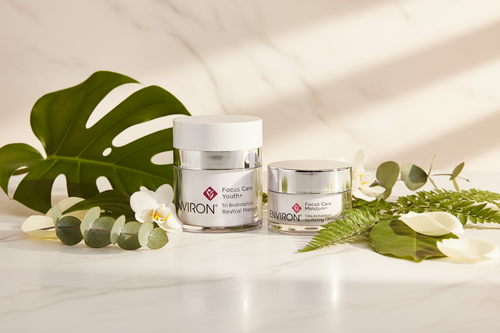
Environ’s vitamin A step-up system is designed for this kind of measured progression, which is especially useful for adults who need acne support without sacrificing barrier health. If you are pregnant, trying to conceive, or breastfeeding, ask your physician before using vitamin A skincare. Professional guidance matters here.
Choose exfoliation carefully
Exfoliating acids can be helpful for clogged pores, but more is not better. Salicylic acid is oil-soluble and can be a useful choice for blackheads and congestion. Other exfoliating acids may help refine surface texture and discoloration. The right frequency depends on your current routine, sensitivity, climate, medications, and whether you use vitamin A.
Many people do best by alternating active nights rather than layering several exfoliants with vitamin A at once. For example, you may use a professionally selected exfoliating product on one or two nights each week, then return to your barrier-supportive routine. Your skin’s response should set the pace.
Moisturize even if your skin is oily
Skipping moisturizer is one of the most common acne mistakes. Oil production and water content are not the same thing. Skin can look shiny while still being dehydrated, irritated, and lacking the lipids and humectants it needs to function well.
Choose a moisturizer that feels comfortable, supports the barrier, and does not leave your skin congested. The best formula depends on your skin’s oil level, sensitivity, climate, and use of active ingredients. During a breakout, the goal is calm, supported skin, not a dry matte finish at any cost.
Wear sunscreen every morning
Post-breakout marks can darken and last longer with UV exposure. Daily broad-spectrum sunscreen is part of acne care, particularly if you use vitamin A, exfoliating acids, or professional treatments. A sunscreen you dislike will not become a habit, so find one with a finish that works under makeup or on bare skin.
Know when a product is helping versus irritating
A real acne routine needs time. Most people need at least several weeks of consistent use before they can fairly judge a regimen, and visible improvement often continues over a few months. Take photos in the same lighting every few weeks rather than inspecting your skin under a magnifying mirror every morning.
There is a difference between an adjustment period and a reaction. A product may bring existing microclogs to the surface as turnover changes, but intense itchiness, swelling, rash-like bumps, burning, or flaking in unusual areas suggests irritation or contact sensitivity. Do not push through significant discomfort just because a product is marketed as powerful.
It also helps to change one meaningful variable at a time. Starting a new cleanser, vitamin A serum, exfoliating acid, mask, and treatment device in the same week makes it nearly impossible to identify what your skin likes or dislikes.
Professional treatments can improve the home routine
A carefully planned facial can support acne-prone skin when it is performed with your skin condition in mind. Professional treatments may focus on gentle cleansing, hydration, extractions when appropriate, and targeted ingredients rather than an aggressive “deep clean.” For some clients, regular treatments create accountability and help keep a home routine on track.
Extractions should be selective and performed by a trained professional. Picking at blemishes at home increases inflammation and can raise the risk of lingering discoloration and scars. Likewise, strong peels and abrasive treatments are not automatically better for acne. They may be inappropriate when the barrier is irritated, when acne is highly inflamed, or when your skin is adjusting to other active ingredients.
A professional consultation is particularly valuable if you have acne plus rosacea, eczema tendencies, melasma, significant sensitivity, or visible dehydration. Those overlapping concerns change what a safe routine looks like.
Everyday habits that make treatment easier
Skincare is not the only factor in acne, and acne is never proof that someone is unclean or doing something wrong. Still, a few practical habits can reduce avoidable triggers. Keep phone screens, pillowcases, makeup brushes, and anything that repeatedly contacts your face clean. Choose hair and complexion products that suit acne-prone skin, especially if breakouts cluster along the hairline or cheeks.
Try not to pick. A hydrocolloid patch can create a useful physical reminder to leave a blemish alone. If you notice a monthly pattern, recurring jawline acne, or breakouts after starting a new medication or supplement, bring that information to a dermatologist or licensed professional. Patterns are useful clinical clues.
Clearer skin comes from a routine you can sustain
The best acne plan is rarely the most aggressive one. It is the routine you can follow morning and night, one that respects your skin’s limits while steadily addressing the reasons pores become congested. If your skin never grew out of acne, you do not need more random products. You need an informed plan, room to adjust it, and patient, consistent care that gives your skin a real chance to change.